Koszalin is often described as a gateway to the Baltic coast, and geographically that is certainly true. The city sits within easy reach of the beaches of Mielno and the wider Central Pomeranian coast. Yet spend a little longer here and another picture begins to emerge.
Away from the busiest streets and the better-known routes towards the seaside, Koszalin has a quieter character. Forest paths climb Góra Chełmska, Jamno's traditions survive in carefully preserved buildings and crafts, and historic parks, museums, sculptures, and an old railway line remind you of the city's complicated, distinctive past.
These places are not necessarily "hidden gems" in the conventional tourist sense. They are simply parts of the city that become more meaningful when you slow down. They offer a chance to see Koszalin not just as a stop on the way to the Baltic, but as a place with its own landscape, memories and regional identity.
Góra Chełmska: Forest, Views and Centuries of History
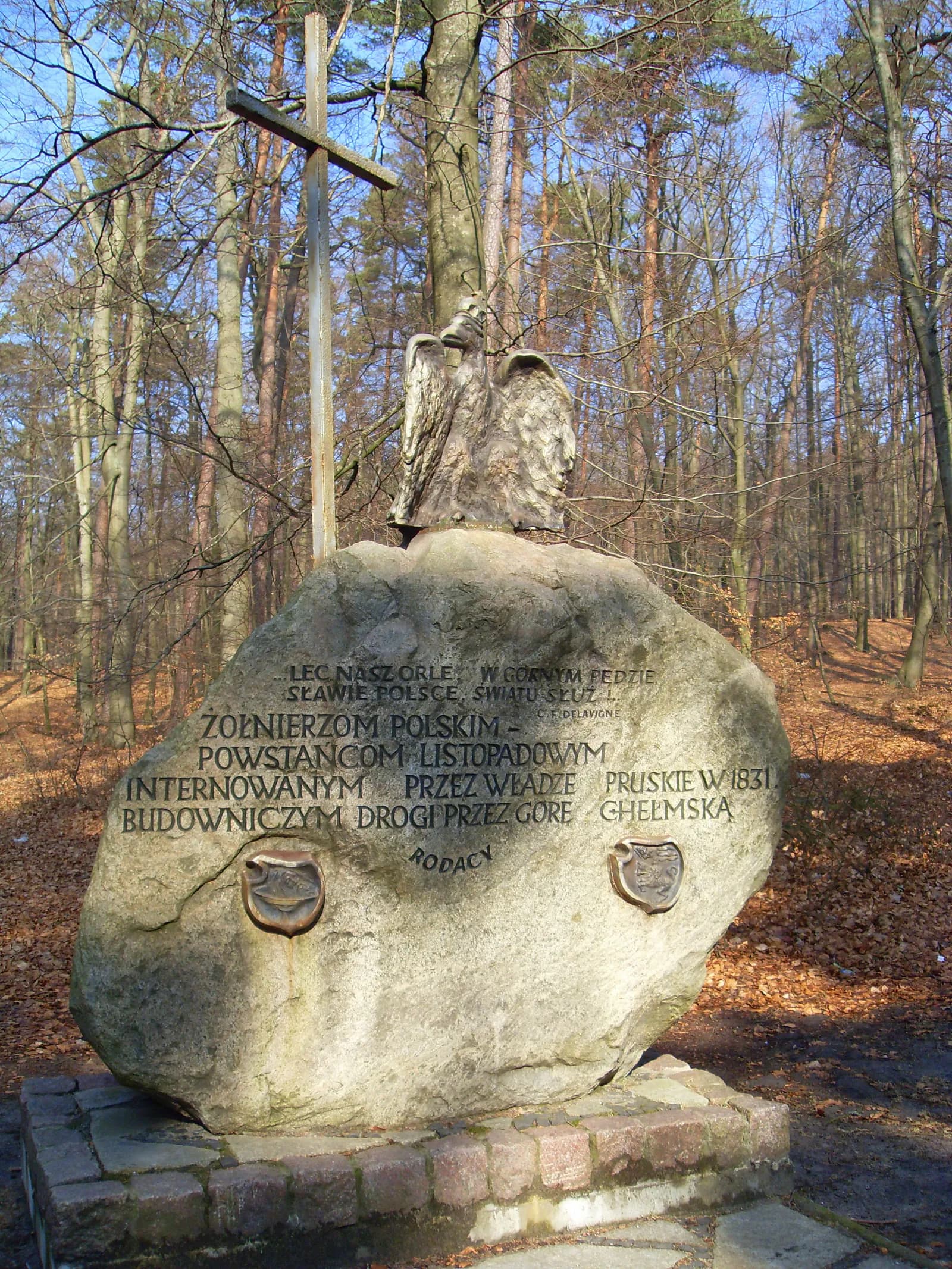
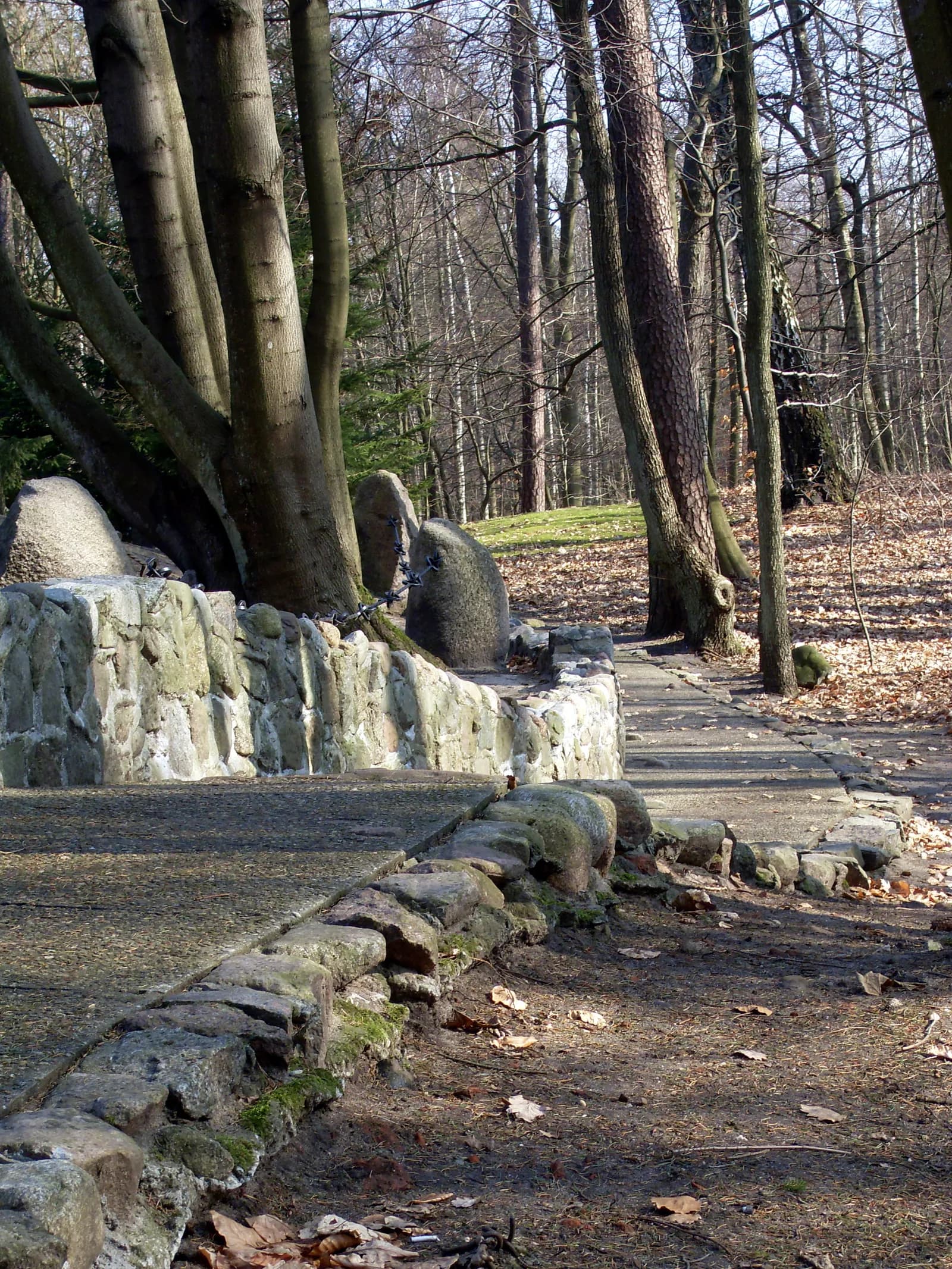
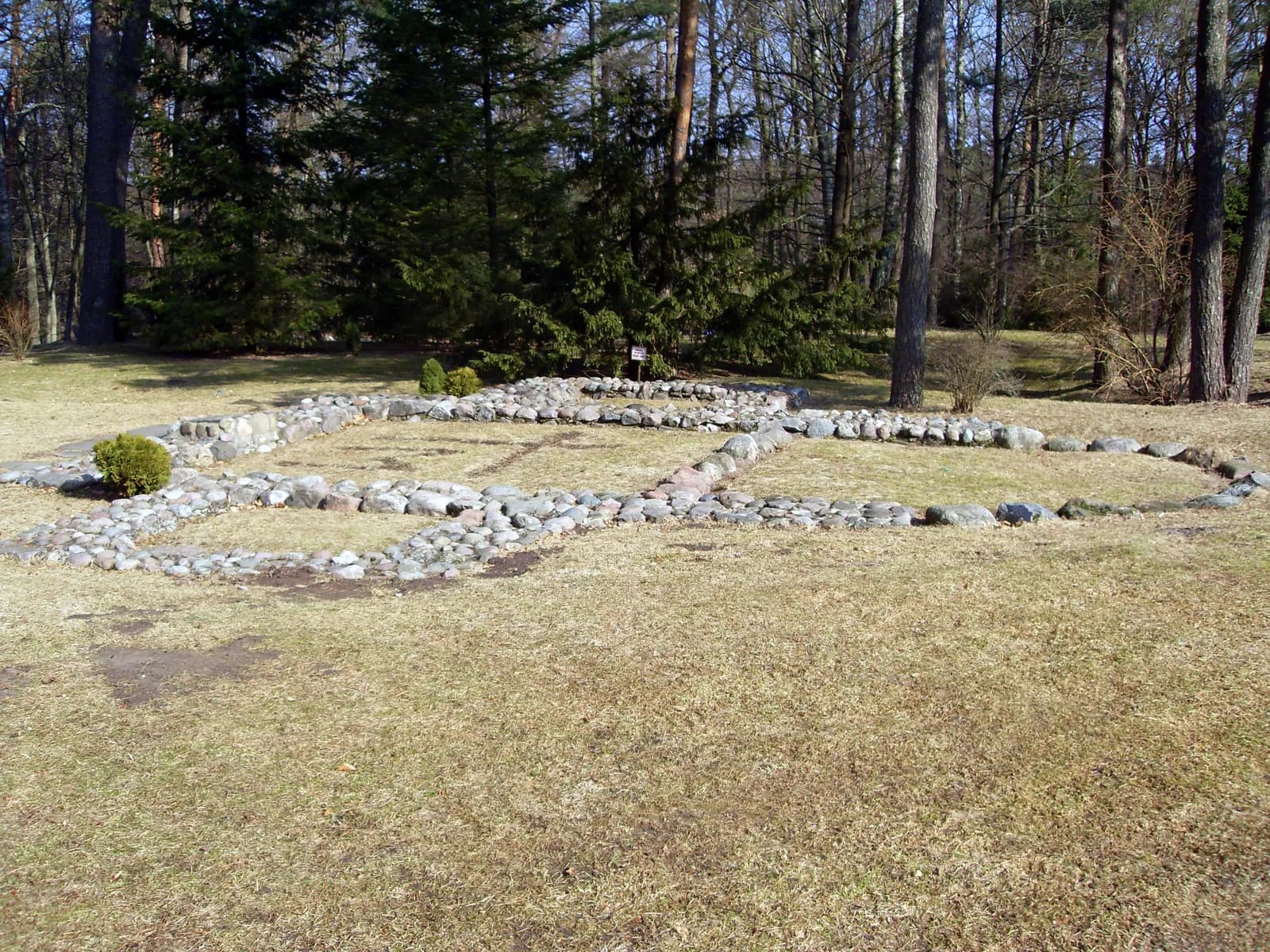
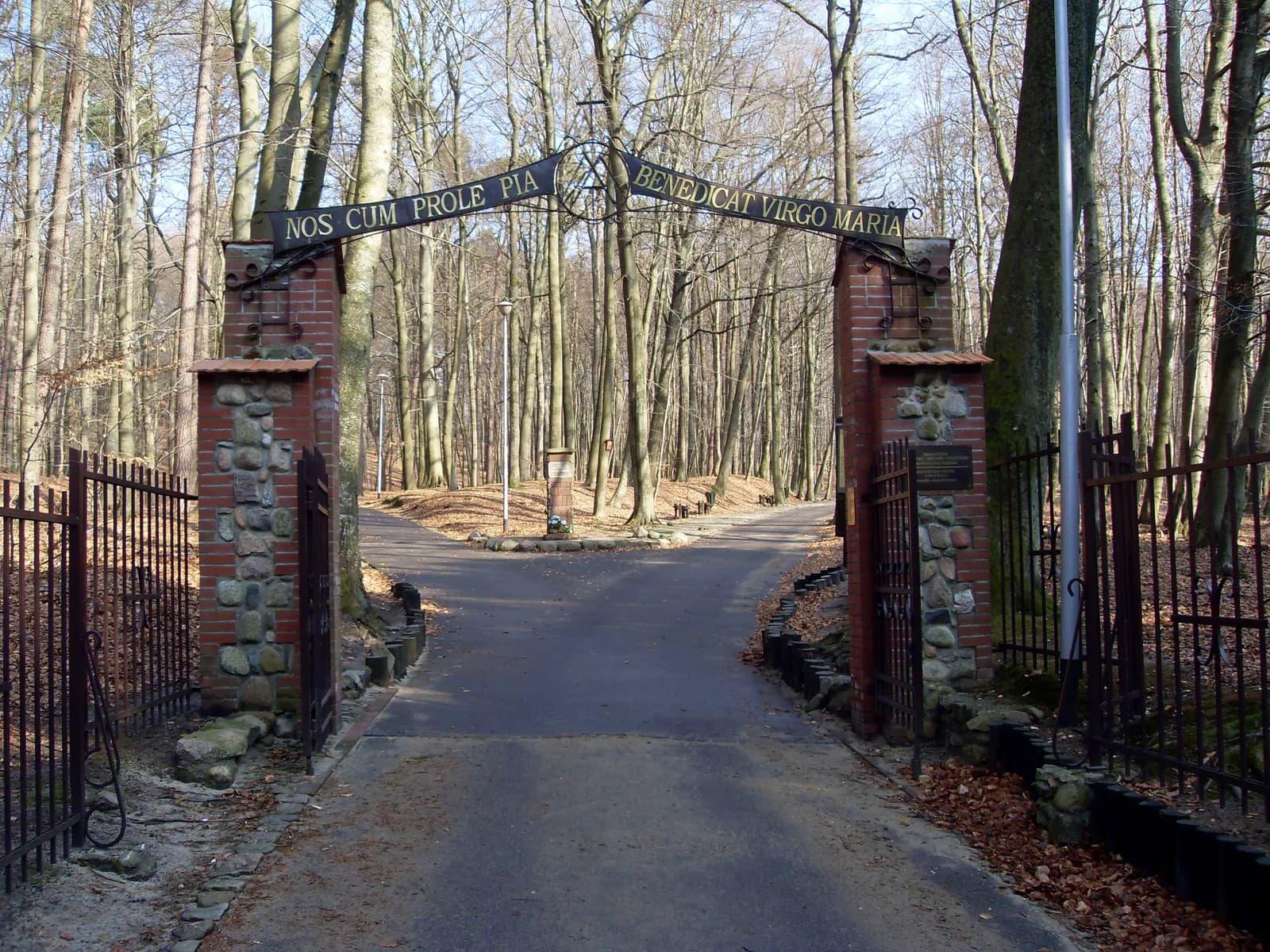
On the eastern side of Koszalin, Góra Chełmska provides one of the city's most natural escapes.
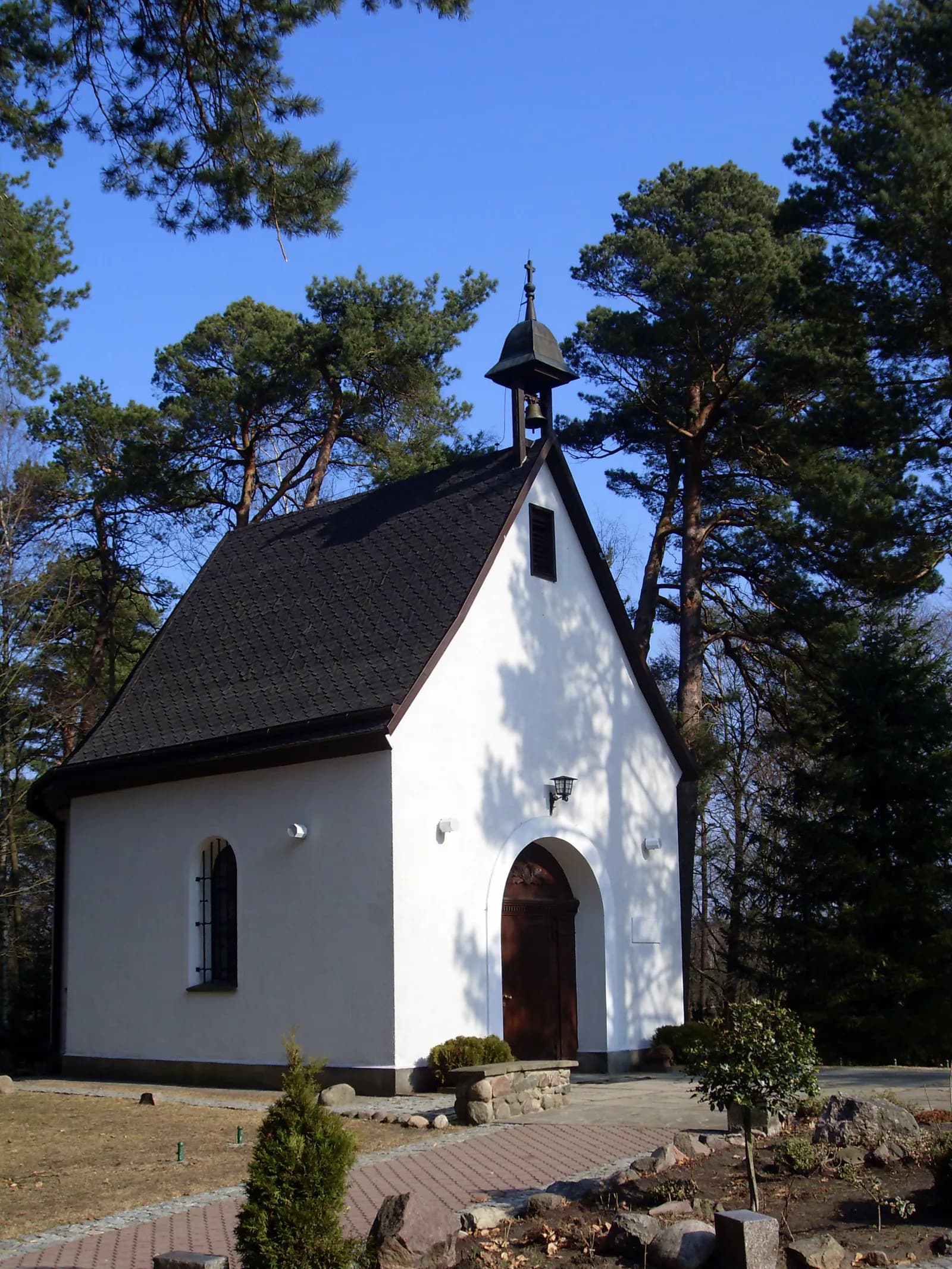
The highest point of the massif is Krzyżanka, at around 136 metres above sea level. The landscape was shaped by glacial activity and today combines woodland, walking routes and viewpoints with a long religious history. The hill was already a place of religious significance in the medieval period. Today, the Sanctuary of Our Lady of Thrice Admirable remains an important pilgrimage destination. The sanctuary was consecrated by Pope John Paul II during his 1991 visit to Koszalin.
But Góra Chełmska is not only about pilgrimage.
For many people, its appeal is much simpler: trees, fresh air and the feeling of being outside the city without actually having to leave it.
There are several marked walking routes through the massif. The red Józef Chrząszczyński Trail runs for 25 kilometres through predominantly wooded terrain, while the blue "Porwanego Księcia" trail connects Koszalin, Sianów and Góra Chełmska. There is also the 15-kilometre yellow "Pętla Tatrzańska" route, named for the resemblance of parts of the landscape to the lower forested slopes of the Tatra Mountains.
For a shorter visit, the historic observation tower is another reason to make the climb. The 31.5-metre tower dates from 1888 and offers views across Koszalin and the surrounding landscape towards the Baltic.
This combination of nature, history and recreation explains why Góra Chełmska occupies such a particular place in local life. You can come here for a walk, a pilgrimage, a cycle ride or simply an hour away from traffic and screens.
Jamno: Where Local Heritage Becomes Tangible
To understand a different side of Koszalin, head north towards Jamno.
The culture associated with the historic villages of Jamno and Łabusz is one of the most distinctive elements of the region's heritage. Their relative isolation, surrounded historically by wetlands and difficult terrain, helped preserve traditions, decorative styles and aspects of everyday life that developed differently from those in larger towns.
The result can be seen particularly clearly at the Zagroda Jamneńska, part of the Museum in Koszalin.
Rather than presenting local history simply through glass cases, the site reconstructs a 19th-century Jamneńska farmstead and introduces visitors to the material culture of the community. Painted furniture, household objects, agricultural tools, clothing and decorative details reveal a society in which even practical objects could carry considerable artistic expression.
The experience also extends beyond looking at historic objects. The Zagroda runs workshops in areas including ceramics, embroidery, small-scale weaving, wood painting and block printing on textiles. There are also seasonal activities connected with traditional customs and crafts.
That makes the site particularly valuable for families. Children can engage with the material rather than simply being told about it, while adults get a better sense of how regional traditions can survive by being practised rather than merely displayed.
The nearby Church of Our Lady of the Rosary in Jamno adds another layer to the story. The church has medieval origins, while its interior includes an early 20th-century polychrome ceiling decorated with motifs associated with Jamneńska culture.
Park Książąt Pomorskich: A Place to Slow Down
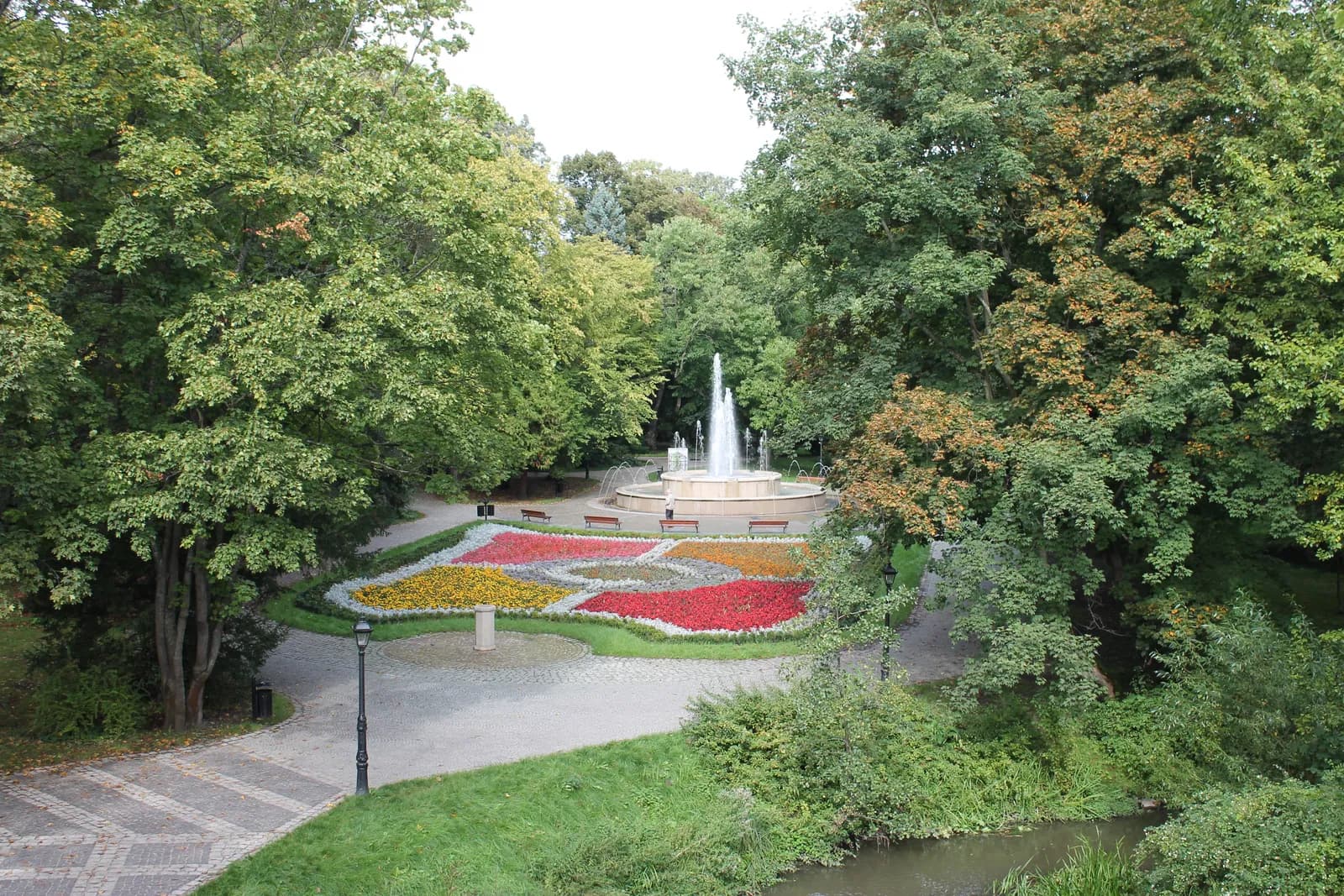
Back in the centre, Park Książąt Pomorskich provides a completely different kind of historical experience.
It is easy to think of an urban park simply as somewhere to walk the dog or sit on a bench. Yet this park is also part of Koszalin's architectural and social history.
The oldest section, known as the Stara Promenada, was laid out in 1817 beneath the city's defensive walls. Work continued during the following decades, including the creation of paths, a fountain, improvements to the pond and regulation of the Dzierżęcinka River. The historic park was entered into the register of monuments in 1983.
Today, its ponds, mature trees, paths and open spaces make it one of the most accessible places in Koszalin for a quiet break.
There is also plenty to notice if you take your time. The park contains an avenue of plane trees and a variety of notable specimens. Some of its older features have disappeared over the years, including the famous "Witch Tree", a sycamore maple believed to have been more than 300 years old before it was destroyed by a storm in 2011.
The Museum in Koszalin: A Wider Regional Story
For a more concentrated introduction to the area's past, the Museum in Koszalin remains one of the city's key cultural institutions.
Its main home is the historic Młynarz Palace and former mill complex on Młyńska Street. The city's tourist route notes that a water mill existed here as far back as the medieval period, while the present mill complex developed substantially during the 19th century. The Młynarz Palace was added at the end of that century and, following its post-war history, became the home of the Museum in Koszalin from 1991.
That location is significant in itself. Instead of separating the collections from the city's industrial past, the museum occupies a building connected with the development of Koszalin.
The collections provide a way into the wider history of Central Pomerania, including art, archaeology, history and ethnography. The ethnographic work of the museum is particularly relevant to understanding the relationship between Koszalin and the surrounding villages and communities.
In 2026, the museum's programme also included the exhibition "1266-2026 od Cussalina, przez Koslin do Koszalina – osiem wieków miasta", marking the city's 760th anniversary.
For anyone trying to understand why modern Koszalin feels culturally different from some other Polish cities, this wider regional perspective is useful. The city's identity has been shaped by changing political borders, population movements, Polish and German history, Pomeranian traditions and the post-war rebuilding of the city.
The Amphitheatre: A Piece of Koszalin's Modern Identity
Koszalin's history is not only medieval or pre-war.
The Amfiteatr im. Ignacego Jana Paderewskiego is one of the city's most recognisable examples of post-war architecture. Built in 1973, it was designed to accommodate the growing cultural programme associated with the World Festival of Polish Communities' Choirs, which had begun in Koszalin in 1970.
Its distinctive roof followed in 1975. Designed by Professor Jan Filipkowski, the structure became one of the defining visual features of the building.
The amphitheatre has since been renovated and modernised, with major work completed between 2019 and 2021. It continues to host concerts, festivals, comedy, food events and other cultural activities.
There is something particularly interesting about seeing it when no major event is taking place.
Without a crowd filling the seats, the scale of the structure and the relationship between the amphitheatre and its surrounding park become easier to appreciate. It is a reminder that Koszalin's heritage also includes the architecture and cultural ambitions of the second half of the 20th century.
A Railway Journey Through the Countryside
Another way of experiencing Koszalin's quieter side is to leave the centre by narrow-gauge railway.
The Koszalińska Kolej Wąskotorowa operates historic trains along a route through the Central Pomeranian landscape, following the Dzierżęcinka valley and passing towards Lake Lubiatowskie. The railway's current route continues to Manowo, Bonin and Rosnowo, where the line reaches the shores of Lake Rosnowskie.
This is more than a heritage attraction for railway enthusiasts.
The journey provides a slower way of seeing the countryside around Koszalin. The railway's route connects with natural attractions including Czapla Góra in Manowo, while Rosnowo provides access to the lake and its surrounding recreation areas. The organisation also offers guided visits to its locomotive depot by prior arrangement.
Why These Places Matter to Koszalin
The quieter corners of Koszalin tell a story that a checklist of conventional attractions cannot quite capture.
Góra Chełmska connects landscape with centuries of religious history. Jamno preserves a distinctive local culture through buildings, objects, crafts and workshops. The park shows how the city has changed around its historic green spaces. The museum provides a broader regional context, while the amphitheatre represents the cultural ambitions of post-war Koszalin.
Even the narrow-gauge railway contributes to that picture, linking today's visitors with the industrial and rural landscape beyond the city centre.
Perhaps that is the most interesting thing about Koszalin. Its character does not depend on one spectacular landmark. It is spread across woodland paths, old buildings, public art, neighbourhoods, museums, parks and the everyday places where residents continue to spend their time.
A Different Way to Discover Koszalin
If you have only ever used Koszalin as a convenient stop before heading towards the Baltic, it is worth allowing yourself a little more time.
Walk up Góra Chełmska. Spend an hour in Park Książąt Pomorskich. Explore the collections at the Museum in Koszalin. Discover the traditions of Jamno at the Zagroda Jamneńska. Look for Hasior's "Flaming Birds". Or take the narrow-gauge railway out into the countryside.
None of these experiences needs to be rushed.
And that may be the best way to understand Koszalin: not as a city you simply pass through on the way to the seaside, but as a place where landscape, memory and regional culture come together at a much quieter pace.
See more: Polish Tourist Brands: 12 Unique Destinations to Discover in Poland
Sources: koszalin.pl, zagrodajamno.pl, muzeumwkoszalinie.pl