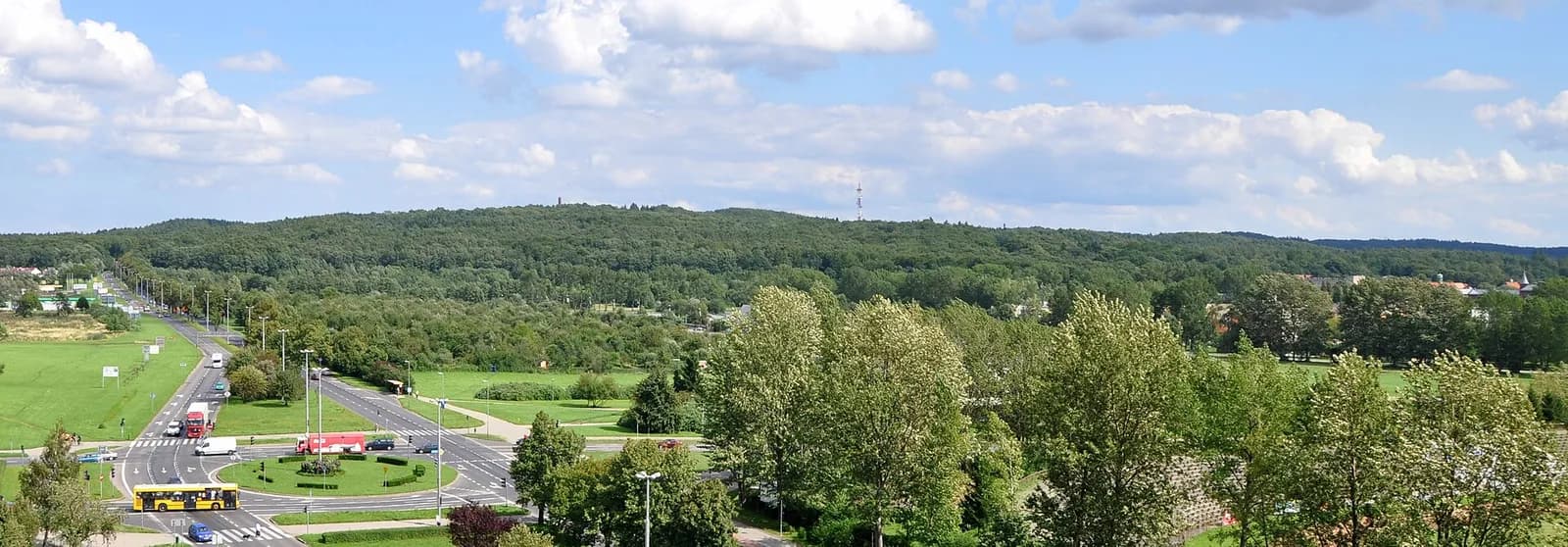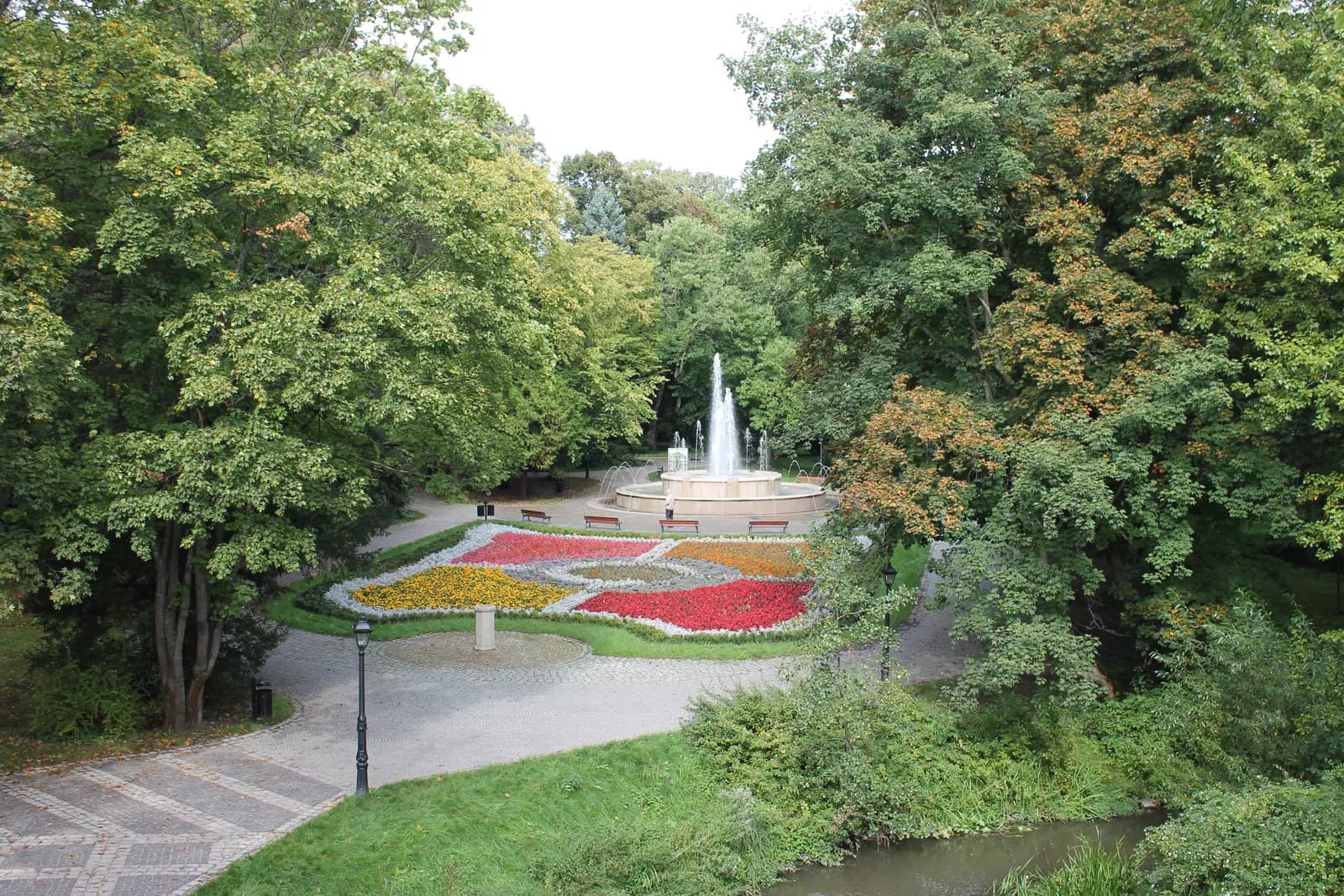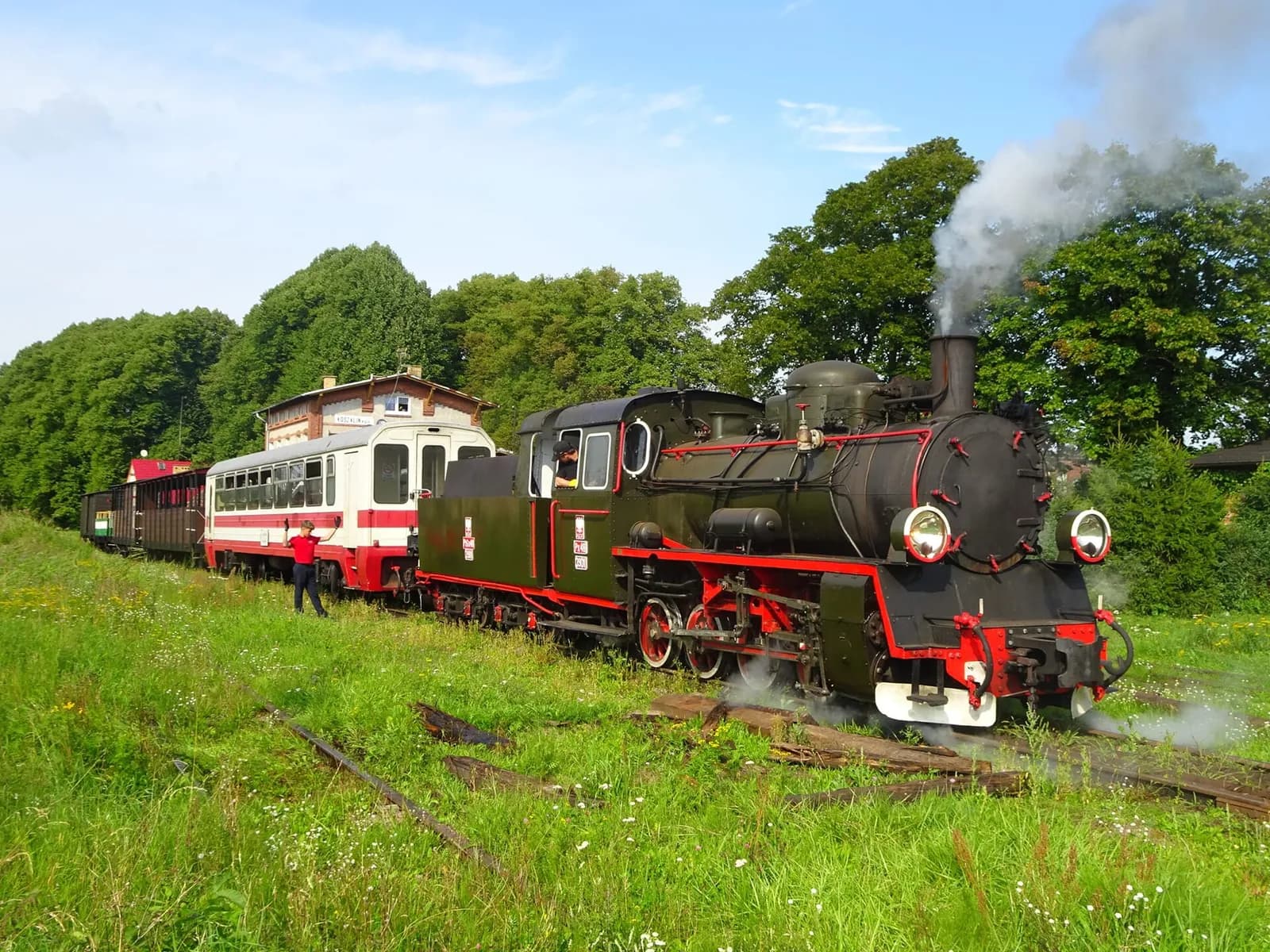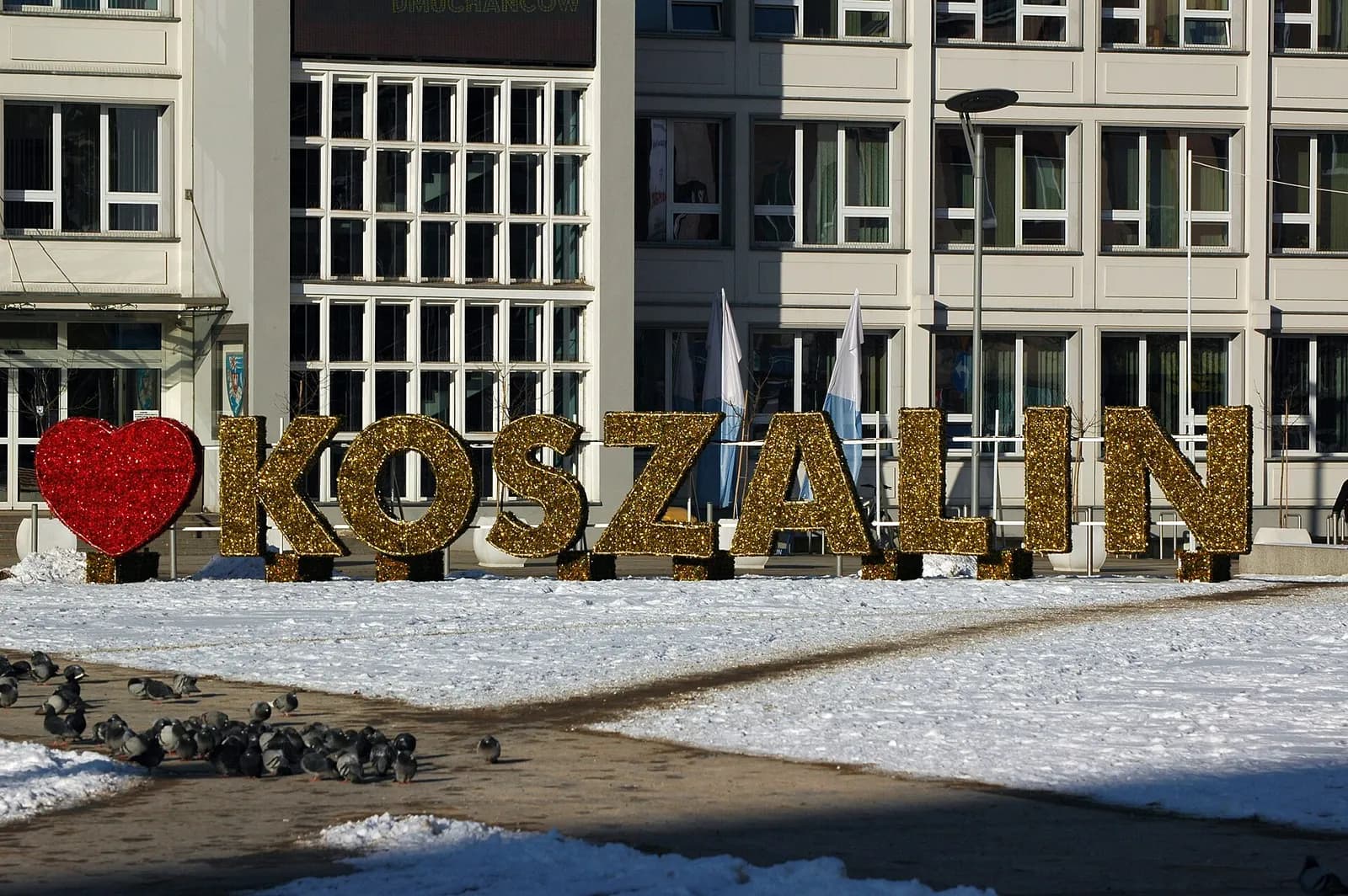
Located in Western Pomerania, around 10 kilometres south of the Baltic Sea coast, Koszalin is one of the most important cities in the region.
Its history stretches back to the medieval period, when it developed from a small settlement into a trading centre connected with the wider Baltic economy. Over centuries, Koszalin experienced changing rulers, economic transformation and wartime destruction before emerging as a modern regional centre in northern Poland.
Today, the city combines historic landmarks, cultural traditions and a strong connection to the surrounding Pomeranian landscape.
Medieval Origins and the Birth of the City
Koszalin’s recorded history begins in the early 13th century. The settlement was mentioned in 1214 under the name Cossalitz, when Duke Bogislaw II of Pomerania granted it to the Norbertine monastery in Białoboki.
Its strategic location contributed to its future development. Positioned near important routes linking Pomeranian settlements and trading centres, Koszalin gradually became an important local centre for commerce and administration.
A major milestone came on 23 May 1266, when Bishop Herman von Gleichen granted Koszalin city rights based on Lübeck Law.
This legal framework supported urban development, encouraging trade, crafts and the organisation of municipal life according to the traditions of many Baltic towns.
A Medieval Trading Centre in Pomerania
During the Middle Ages, Koszalin benefited from its location within the Baltic trading network.
The city’s economy was supported by agriculture, crafts and trade, with merchants exchanging regional goods such as grain and other products. Its connections with nearby waterways, including Jamno Lake, contributed to its commercial importance.
Koszalin was associated with the wider Hanseatic world of northern European trade, although it did not hold the same level of influence as some of the largest Hanseatic ports.
The city’s religious and architectural heritage also developed during this period. The Cathedral of the Immaculate Conception, originally built in the early 14th century, remains one of Koszalin’s most important historic landmarks and a prominent example of Gothic architecture.
Changing Borders and Industrial Development
The political landscape of Pomerania changed significantly during the 17th century.
Following the Thirty Years’ War, Koszalin became part of Brandenburg and later Prussia. These changes influenced the city’s administration, economy and cultural development.
During the 18th and 19th centuries, Koszalin expanded as an industrial and transport centre. The arrival of railway connections strengthened its role within the regional economy, while new industries contributed to urban growth.
The city developed as an administrative and commercial centre, reflecting wider changes taking place across Pomerania during the industrial age.
War and Post-War Transformation
The Second World War brought severe destruction to Koszalin.
Fighting in 1945 caused extensive damage, and large parts of the historic city centre were destroyed. Following the end of the war, Koszalin became part of Poland as borders across Central Europe were redrawn.
The post-war period brought major demographic and social changes. The city was rebuilt and gradually developed a new identity as a Polish regional centre.
Between 1950 and 1998, Koszalin served as the capital of the Koszalin Voivodeship, making it an important administrative centre for a large part of northern Poland.
Koszalin Today: Heritage and Regional Importance
Following Poland’s administrative reforms in 1998, Koszalin became part of the Western Pomeranian Voivodeship.
Today, it remains the largest city in Central Pomerania and continues to serve as an important centre for education, business, culture and public services.
Historic landmarks, including the Gothic cathedral and preserved parts of the old urban layout, connect modern residents with the city’s medieval past.
Koszalin’s location also gives it a strong relationship with the Baltic coast, nearby lakes and the wider tourism economy of Pomerania.
A City Connecting Past and Future
Koszalin’s history reflects the wider story of Pomerania: a region shaped by trade routes, changing borders, cultural exchange and resilience.
From its medieval foundations and connections with Baltic commerce to its rebuilding after the Second World War, Koszalin continues to develop while preserving the heritage that defines its character.
Koszalin’s journey from medieval settlement to modern regional centre demonstrates the ability of cities to adapt through centuries of change.
Its Gothic landmarks, Pomeranian traditions and connection to the Baltic region continue to shape a city that values both its history and its future.