Discover the story of Central Pomerania at Koszalin Museum, where archaeology, regional history, fine art and local traditions come together in one of northern Poland's leading cultural institutions.
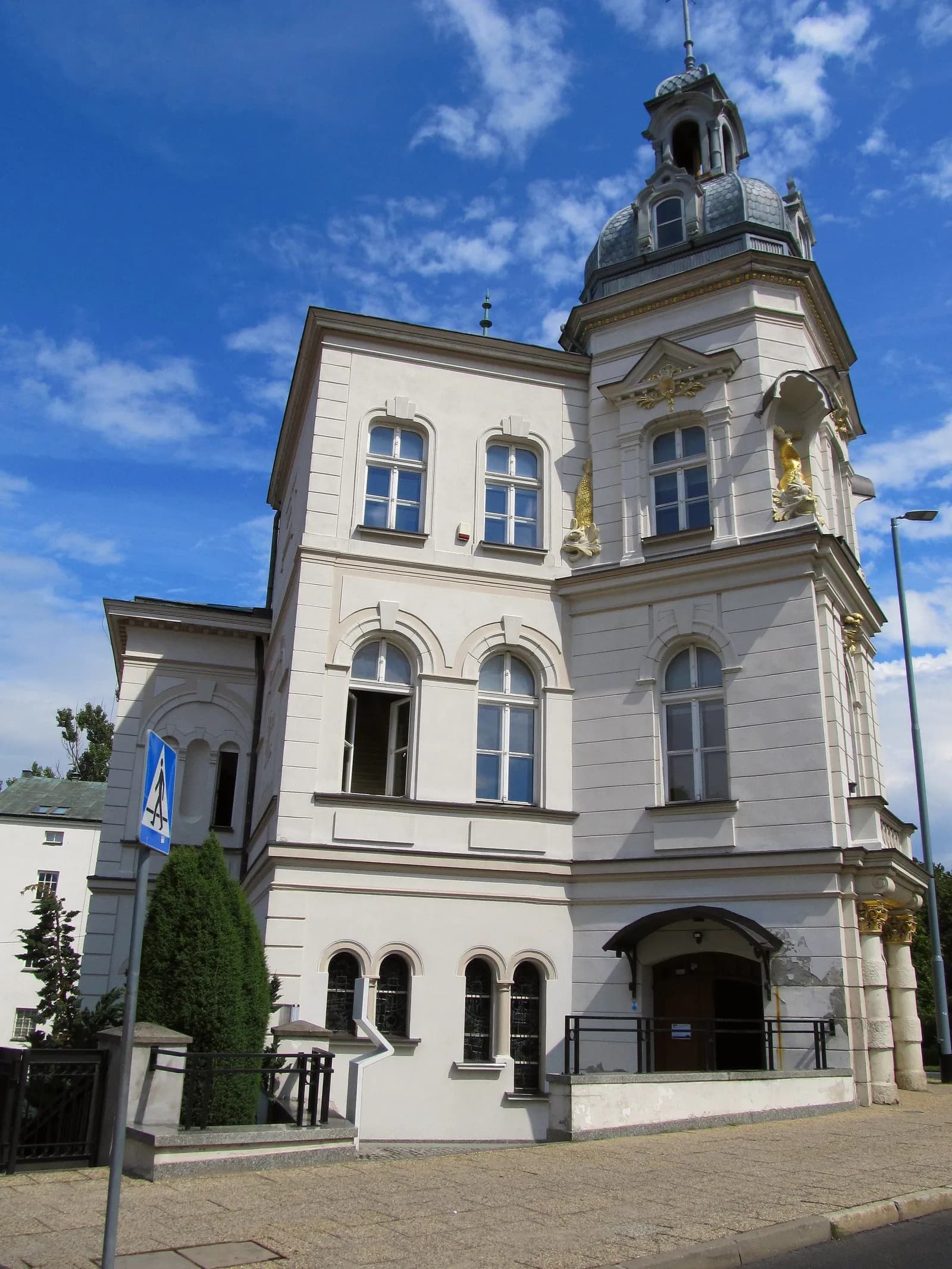
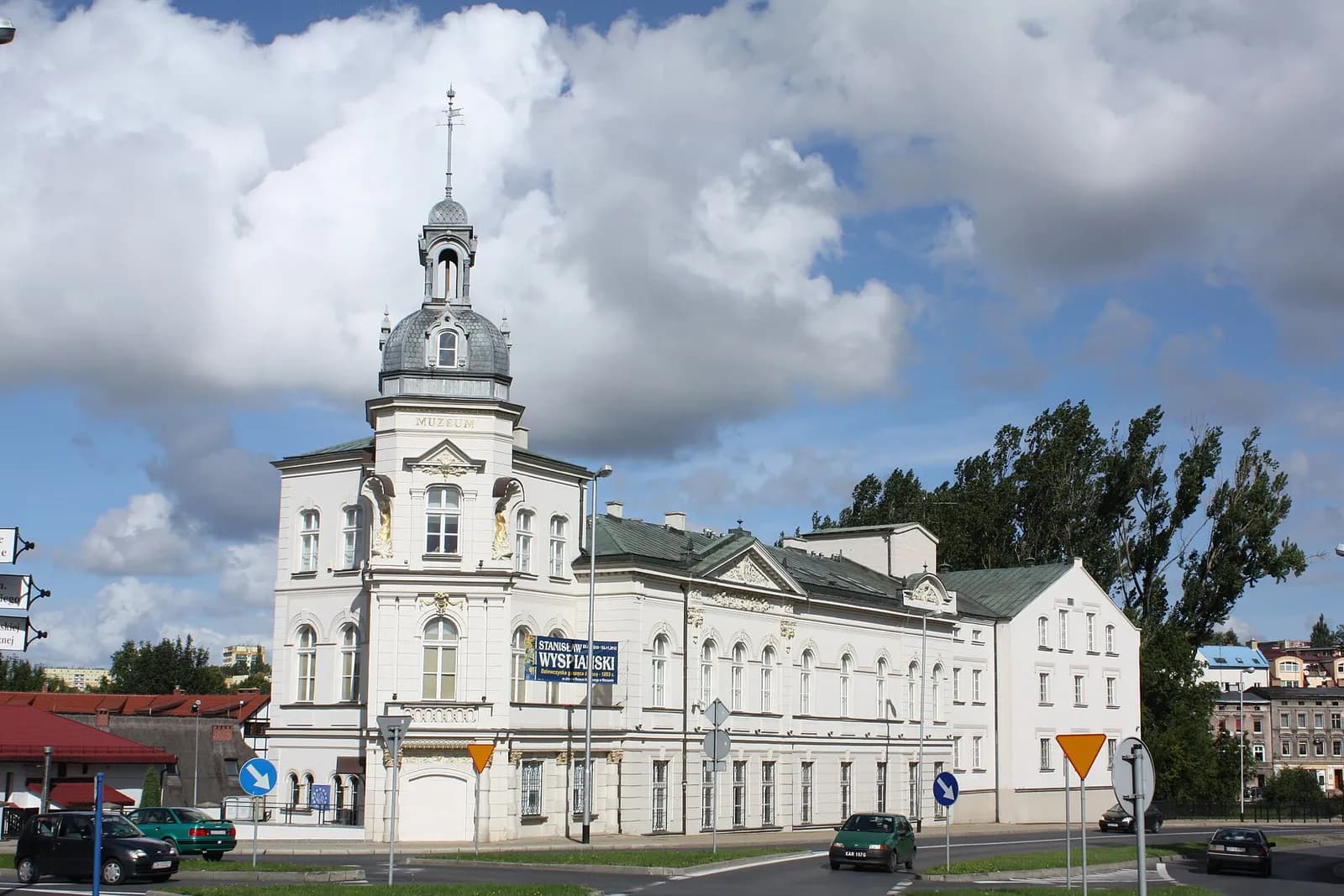
While many travellers pass through Koszalin on their way to seaside resorts such as Mielno or Kołobrzeg, taking time to visit the Koszalin Museum reveals a very different side of the region. Housed in a collection of historic buildings in the heart of the city, the museum tells the story of Central Pomerania through carefully curated exhibitions that combine archaeology, history, art and ethnography.
Founded in 1912, the museum has spent more than a century preserving the cultural heritage of the region. Today, its collection exceeds 100,000 objects, making it one of the most important regional museums in north-western Poland. Rather than presenting history as a timeline of dates and events, the exhibitions encourage visitors to discover how people lived, worked and expressed themselves over thousands of years.
From prehistoric settlements to medieval towns
The museum's archaeological collection takes visitors back to the earliest inhabitants of Central Pomerania. Stone tools, Bronze Age ornaments, Iron Age artefacts and medieval ceramics reveal how communities developed long before modern borders existed.
Among the most significant discoveries are objects recovered from archaeological excavations across the region, offering insights into trade, craftsmanship and daily life. The exhibitions demonstrate that Central Pomerania has long been a crossroads of cultures, influenced by Baltic trade routes and centuries of political change.
Rather than overwhelming visitors with technical information, the displays place these discoveries in context, making them accessible to both history enthusiasts and those with little prior knowledge.
A window into the history of Koszalin
For anyone curious about the city itself, the regional history galleries explain how Koszalin evolved over the centuries.
Historic photographs, maps, documents and everyday objects illustrate the city's transformation from a medieval trading settlement into a modern regional centre. Visitors can also learn about the profound changes that followed the Second World War, when new communities arrived in the region and helped shape the Koszalin of today.
These exhibitions provide valuable context for exploring the city's historic streets, churches and public spaces after leaving the museum.
Art that reflects changing times
History is only part of the museum's appeal. Its fine art collection showcases paintings, sculpture and decorative arts by Polish artists from the nineteenth century onwards, alongside rotating temporary exhibitions that introduce contemporary artistic perspectives.
Because temporary exhibitions change throughout the year, returning visitors are likely to discover something new with each visit. This balance between permanent collections and changing displays makes the museum an active cultural venue rather than simply a repository of historic objects.
Preserving the traditions of Central Pomerania
One of the museum's most engaging sections explores the customs and traditions that once defined everyday life across rural Pomerania.
Traditional costumes, embroidered textiles, handmade furniture, ceramics and household tools reveal how local communities celebrated festivals, worked the land and passed skills from one generation to the next. These objects offer a fascinating glimpse into a way of life that has largely disappeared but continues to influence the region's cultural identity.
For visitors from outside Poland, the ethnographic galleries provide an opportunity to understand the traditions that distinguish Central Pomerania from other parts of the country.
More than exhibitions
Koszalin Museum is far more than a place to admire artefacts behind glass. Throughout the year, it hosts temporary exhibitions, educational workshops, lectures, family activities and cultural events that encourage visitors to engage with history in different ways.
Its central location also makes it an easy addition to a day spent exploring Koszalin. After visiting the museum, it's just a short walk to the Market Square, St Mary's Cathedral, the Mill Park and several cafés and restaurants in the city centre.
Why visit the Koszalin Museum?
Regional museums often provide the best introduction to a destination, and Koszalin Museum is no exception. Rather than trying to tell the story of an entire country, it focuses on the people, traditions and events that make Central Pomerania unique.
Whether your interests lie in archaeology, local history, traditional culture or art, the museum offers an experience that enriches any visit to Koszalin. It's an ideal stop for families, independent travellers and anyone looking to understand the region beyond its popular beaches.
Visitor Information
Address
ul. Młyńska 37–39
75-720 Koszalin
Opening Hours
Monday: Closed
Tuesday - Friday: 10:00 am – 4:00 pm
Saturday: 10:00 am – 5:00 pm
Sunday: 11:00 am – 4:00 pm
The museum offers standard admission tickets, with discounted rates available for eligible visitors. Temporary exhibitions may have separate ticket prices. It is advisable to check the museum's official website before your visit for the latest prices and special exhibitions.